posted by 147 FA on Oct 21
 Marhaba (Hi) from the XO,
As we approach 100 days in theater and almost 50% of our mobilization and deployment complete, I would like to look back at a couple of the many new things we have learned.
Our mission has placed us in a very unique situation in a very unique place. Our Batteries are the only units in Kuwait that live and operate inside Kuwait facilities. In this situation, we have many more challenges than other units that operate in the Kuwait Area of Responsibility. As a direct result of working hand in hand with the Kuwait Military we have a lot of opportunities to learn about their culture.
Many of our Soldiers work hand in hand with Kuwaiti Soldiers every day. This gives them the opportunity to learn from each other. We have learned much about Islam, their religion. As Muslims, they live their lives according to the 5 Pillars of Islam, the term given to the five duties incumbent on every Muslim.
Shahadah is a statement professing monotheism and accepting Mohammad as Allah’s messenger. The shahadah is a set statement normally recited in Arabic, translated as: “I profess that There is no God but Allah, and Mohammad is the Prophet of Allah.”
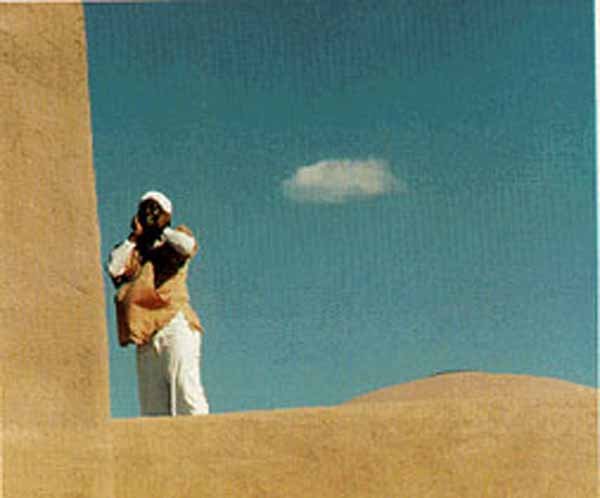
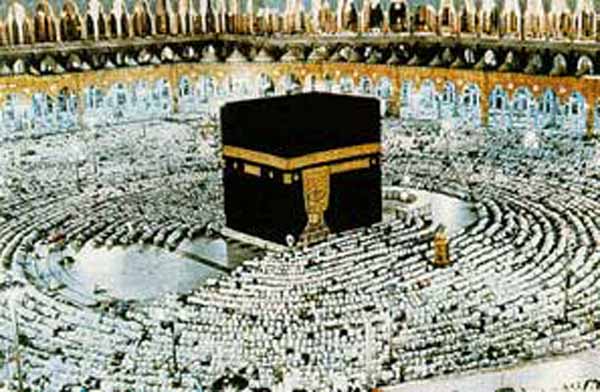

The second pillar of Islam is Salat, the requirement to pray five times a day at fixed times during the day. The times of day to pray are at dawn, noon, mid-afternoon, sunset, and night. Each salat is performed facing towards the Kaaba in Mecca. Salat is intended to focus the mind on Allah; it is seen as a personal communication with Allah, expressing gratitude and worship. According to the Qur’an, the benefit of prayer “restrains one from shameful and evil deedsâ€.
Zakat or alms-giving is the practice of charitable giving by Muslims based on accumulated wealth, and is obligatory for all who are able to do so. It is considered to be a personal responsibility for Muslims to ease economic hardship for others and eliminate inequality. Zakat consists of spending 2.5% of one’s wealth for the benefit of the poor or needy, including slaves, debtors and travelers.
Sawm of Ramadan. Ritual fasting is an obligatory act during the month of Ramadan. Muslims must abstain from food, drink, and sexual intercourse from dawn to dusk during this month, and are to be especially mindful of other sins. The fast is meant to allow Muslims to seek nearness to Allah, to express their gratitude to and dependence on him, to atone for their past sins, and to remind them of the needy. During Ramadan, Muslims are also expected to put more effort into following the teachings of Islam by refraining from violence, anger, envy, greed, lust, harsh language, gossip and to try to get along with people better than normal. In addition, all obscene and irreligious sights and sounds are to be avoided.
The Hajj is a pilgrimage that occurs during the Islamic month of Dhu al-Hijjah to the holy city of Mecca, and derives from an ancient Arab practice. Every able-bodied Muslim is obliged to make the pilgrimage to Mecca at least once in their lifetime if he or she can afford it. When the pilgrim is around 10Â kilometers (6.2Â miles) from Mecca, he must dress in Ihram clothing, which consists of two white sheets. Both men and women are required to make the pilgrimage to Mecca, as the Hajj is mandatory for both males and females. After a Muslim makes the trip to Mecca, he/she is known as a Haji/Hajja (one who made the pilgrimage to Mecca). The main rituals of the Hajj include walking seven times around the Kaaba, touching the Black Stone, travelling seven times between Mount Safa and Mount Marwah, and symbolically stoning the Devil in Mina.
All in all, Islam is a very peaceful religion. Unfortunately, as we see in any religion, there are individuals who misinterpret different verses to rationalize what they want to accomplish. This is the exception not the rule. I hope this enlightened some of you to the fact that no matter where you go, people are human. Here in Kuwait, we have established great relationships with our counterparts and look forward to strengthening them in the future to assist us to completing a successful mission.
This information is presented to you only to understand the people we work with every day and not meant to sway your religious views.
Ma’a Salaama or Good Bye,
Major Jim Linn, Spartan 5,
Battalion Executive Officer